

35 C
Jammu
Thursday, July 30, 2026
spot_img

Supreme Court Refers Anticipatory Bail Plea Issue to Bench

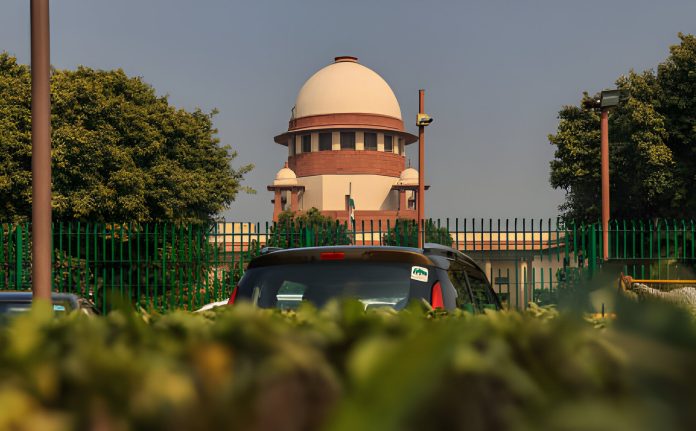
The Supreme Court of India referred the important issue of anticipatory bail applications directly approaching high courts to a three-judge bench on Wednesday. The bench, comprising Justices Vikram Nath and Sandeep Mehta, emphasized the need for a larger bench to address this legal matter.

“This matter requires to be heard by a three-judge bench,” the court stated, demonstrating its concern over the procedure for seeking anticipatory bail. Previously, the apex court appointed senior advocate Siddharth Luthra as amicus curiae to lend expertise on the issue.

On September 8, the Supreme Court had expressed apprehension regarding the frequent practice of the Kerala High Court allowing litigants to present anticipatory bail applications without first going through the sessions court. The bench queried, “One issue that is bothering us is that in the Kerala High Court, anticipatory bail applications are regularly entertained directly. Why is that so?”

The court highlights the distinction between the existing legal frameworks, namely the old Code of Criminal Procedure and the new Bharatiya Nagarik Suraksha Sanhita (BNSS), 2023. Courts pointed out structural hierarchies in handling bail applications, specifically noting that Section 482 of BNSS governs bail for individuals anticipating arrest.

Justice Vikram Nath noted, “It doesn’t happen in any other state. Only in the Kerala High Court… applications for anticipatory bail are regularly entertained directly.” This statement reinforces the unique legal practices within the state.

The discussions arose while examining a plea filed by two individuals contesting a Kerala High Court ruling that denied them anticipatory bail. These petitioners bypassed the sessions court, a fact that has brought into question the procedural standards within the judiciary.

While addressing the case, the Supreme Court indicated the potential gaps in essential factual records that ordinarily accompany applications submitted to the sessions court. The bench stated, “We are inclined to consider whether the option to approach the high court is a matter of choice for the accused or whether it should be mandatory to first go to the sessions court.” This reflective question underscores the intricacies of legal protocol regarding anticipatory bail.

The apex court also issued a notice to the Registrar General of the Kerala High Court, seeking clarification on this critical legal practice. As the legal community awaits the formation of a three-judge bench, the Supreme Court has set a pivotal precedent in addressing the routine practices regarding anticipatory bail applications.


Related Articles

LEAVE A REPLY

Please enter your comment!
Please enter your name here

- Advertisement -spot_img

Latest Articles

Supreme Court Refers Anticipatory Bail Plea Issue to Bench

The Supreme Court of India referred the important issue of anticipatory bail applications directly approaching high courts to a three-judge bench on Wednesday. The bench, comprising Justices Vikram Nath and Sandeep Mehta, emphasized the need for a larger bench to address this legal matter.

“This matter requires to be heard by a three-judge bench,” the court stated, demonstrating its concern over the procedure for seeking anticipatory bail. Previously, the apex court appointed senior advocate Siddharth Luthra as amicus curiae to lend expertise on the issue.

On September 8, the Supreme Court had expressed apprehension regarding the frequent practice of the Kerala High Court allowing litigants to present anticipatory bail applications without first going through the sessions court. The bench queried, “One issue that is bothering us is that in the Kerala High Court, anticipatory bail applications are regularly entertained directly. Why is that so?”

The court highlights the distinction between the existing legal frameworks, namely the old Code of Criminal Procedure and the new Bharatiya Nagarik Suraksha Sanhita (BNSS), 2023. Courts pointed out structural hierarchies in handling bail applications, specifically noting that Section 482 of BNSS governs bail for individuals anticipating arrest.

Justice Vikram Nath noted, “It doesn’t happen in any other state. Only in the Kerala High Court… applications for anticipatory bail are regularly entertained directly.” This statement reinforces the unique legal practices within the state.

The discussions arose while examining a plea filed by two individuals contesting a Kerala High Court ruling that denied them anticipatory bail. These petitioners bypassed the sessions court, a fact that has brought into question the procedural standards within the judiciary.

While addressing the case, the Supreme Court indicated the potential gaps in essential factual records that ordinarily accompany applications submitted to the sessions court. The bench stated, “We are inclined to consider whether the option to approach the high court is a matter of choice for the accused or whether it should be mandatory to first go to the sessions court.” This reflective question underscores the intricacies of legal protocol regarding anticipatory bail.

The apex court also issued a notice to the Registrar General of the Kerala High Court, seeking clarification on this critical legal practice. As the legal community awaits the formation of a three-judge bench, the Supreme Court has set a pivotal precedent in addressing the routine practices regarding anticipatory bail applications.

Related Articles

LEAVE A REPLY

Please enter your comment!
Please enter your name here

- Advertisement -spot_img

Latest Articles