

33 C
Jammu
Friday, July 31, 2026
spot_img

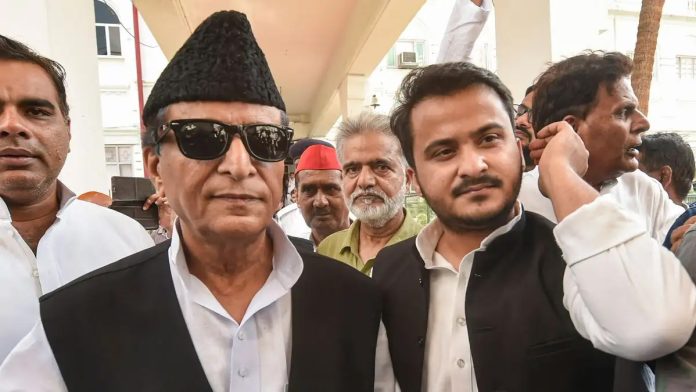
Azam Khan, Son Abdullah Convicted in 2019 Forgery Case

Senior Samajwadi Party leader Mohammad Azam Khan and his son Abdullah Azam faced conviction on Monday, sentenced to prison terms of up to seven years by a special MP/MLA court in Rampur. This sentencing stems from a 2019 forgery case in which both were implicated for unlawfully procuring two PAN cards under different dates of birth.

Special Magistrate Shobhit Bansal pronounced the guilty verdict after careful assessment of documentary evidence and witness statements. The prosecution was led by officer Rakesh Kumar Maurya, who noted the seriousness of the crime and the implications it has for public trust in leadership.

Maurya stated that the prosecution intends to review the court’s decision and may appeal if they deem the sentence unsatisfactory. “We will evaluate the judgment and are prepared to act accordingly,” he commented.

As the verdict unfolded, reporters inquired whether both Azam Khan and his son would be taken into immediate custody. Maurya confirmed, “Yes, absolutely.” This confirmation underlines the legal ramifications that the duo must now face.

The origins of the case trace back to a complaint filed in 2019 by BJP leader Akash Saxena at the Civil Lines police station in Rampur. The charges included various sections of the Indian Penal Code: section 420 for cheating, section 467 for the forgery of valuable securities, section 468 pertaining to forgery for cheating, section 471 for the use of forged documents, and section 120-B for criminal conspiracy.

The prosecution’s case laid out a narrative of deception. According to their arguments, Abdullah secured a PAN card from the Income Tax Department, falsely indicating his date of birth as January 1, 1993. This information notably contradicted the details recorded in his educational documents and his State Bank of India account records.

The court determined that Abdullah acted in conspiracy with his father, Azam Khan, in acquiring the forged PAN card and subsequently submitting it for official purposes. The gravity of their actions raises questions about integrity and accountability in public office.

Azam Khan, who served in various key positions within Uttar Pradesh’s political landscape, has faced multiple legal challenges in the past. These recent convictions could cast a long shadow over his political career and influence within the Samajwadi Party.

This ruling arrives during a crucial time in Indian politics, where issues of corruption and accountability remain at the forefront of public discourse. Activists and political observers will eagerly watch the subsequent legal moves taken by Khan and his son, including the potential appeal process.

This case not only highlights significant legal ramifications for the accused but also poses broader implications for the perception of political ethics in India. As stakeholders from all walks of life weigh in, the questions surrounding political responsibility and the rule of law continue to foster public debate.


Related Articles

LEAVE A REPLY

Please enter your comment!
Please enter your name here

- Advertisement -spot_img

Latest Articles

Azam Khan, Son Abdullah Convicted in 2019 Forgery Case

Senior Samajwadi Party leader Mohammad Azam Khan and his son Abdullah Azam faced conviction on Monday, sentenced to prison terms of up to seven years by a special MP/MLA court in Rampur. This sentencing stems from a 2019 forgery case in which both were implicated for unlawfully procuring two PAN cards under different dates of birth.

Special Magistrate Shobhit Bansal pronounced the guilty verdict after careful assessment of documentary evidence and witness statements. The prosecution was led by officer Rakesh Kumar Maurya, who noted the seriousness of the crime and the implications it has for public trust in leadership.

Maurya stated that the prosecution intends to review the court’s decision and may appeal if they deem the sentence unsatisfactory. “We will evaluate the judgment and are prepared to act accordingly,” he commented.

As the verdict unfolded, reporters inquired whether both Azam Khan and his son would be taken into immediate custody. Maurya confirmed, “Yes, absolutely.” This confirmation underlines the legal ramifications that the duo must now face.

The origins of the case trace back to a complaint filed in 2019 by BJP leader Akash Saxena at the Civil Lines police station in Rampur. The charges included various sections of the Indian Penal Code: section 420 for cheating, section 467 for the forgery of valuable securities, section 468 pertaining to forgery for cheating, section 471 for the use of forged documents, and section 120-B for criminal conspiracy.

The prosecution’s case laid out a narrative of deception. According to their arguments, Abdullah secured a PAN card from the Income Tax Department, falsely indicating his date of birth as January 1, 1993. This information notably contradicted the details recorded in his educational documents and his State Bank of India account records.

The court determined that Abdullah acted in conspiracy with his father, Azam Khan, in acquiring the forged PAN card and subsequently submitting it for official purposes. The gravity of their actions raises questions about integrity and accountability in public office.

Azam Khan, who served in various key positions within Uttar Pradesh’s political landscape, has faced multiple legal challenges in the past. These recent convictions could cast a long shadow over his political career and influence within the Samajwadi Party.

This ruling arrives during a crucial time in Indian politics, where issues of corruption and accountability remain at the forefront of public discourse. Activists and political observers will eagerly watch the subsequent legal moves taken by Khan and his son, including the potential appeal process.

This case not only highlights significant legal ramifications for the accused but also poses broader implications for the perception of political ethics in India. As stakeholders from all walks of life weigh in, the questions surrounding political responsibility and the rule of law continue to foster public debate.

Related Articles

LEAVE A REPLY

Please enter your comment!
Please enter your name here

- Advertisement -spot_img

Latest Articles