
28.2 C
Jammu
Saturday, September 12, 2026
spot_img

Dr. Jitendra Singh Urges Nationwide Cleanliness Movement

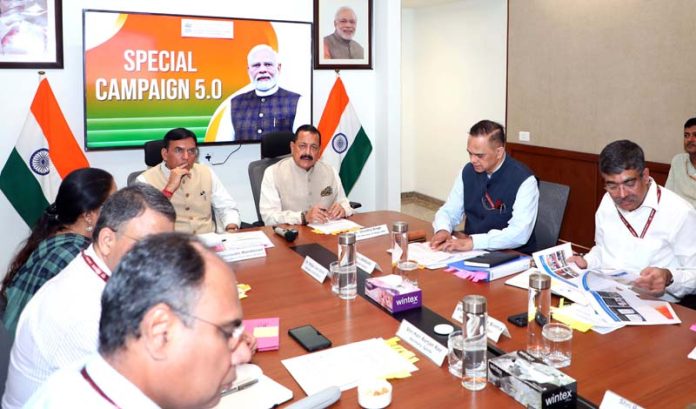
In a significant initiative to enhance the Government’s cleanliness efforts, Dr. Jitendra Singh, the Union Minister of State for Science and Technology, emphasized the need for ministries to convert the ongoing cleanliness drive into a mass movement. This call came during a high-level review meeting on the Special Campaign 5.0 held on October 10, 2023, aiming to foster public participation, technological innovation, and private sector collaboration in enhancing cleanliness across the nation.

Speaking at the meeting, Dr. Singh stated, “We should integrate technology, community engagement, and private sector collaboration to ensure that the campaign sustains itself throughout the year.” His remarks highlight a commitment to moving beyond superficial efforts and encouraging a deeper institutionalization of cleanliness initiatives as part of everyday governance.

To drive this transformation, Dr. Singh advocates for leveraging partnerships with corporate entities and micro, small, and medium enterprises (MSMEs) through platforms like NASSCOM, aiming to introduce innovative waste management solutions, particularly in urban clusters, government establishments, and hotels.

He pointed out the potential benefits of introducing digital technologies and smart recycling models, including automated waste segregation and efficient electronic scrap management across various sectors. These measures could enhance operational efficiency while simultaneously creating new livelihood opportunities for citizens.

Dr. Singh also stressed the need for disseminating best practices among various ministries. He proposed creating a central repository to document and share successful cleanliness models ranging from public spaces to educational campuses nationwide.

Further, he urged the identification of innovative initiatives such as electronic file disposal, smart waste reuse systems, and the effective repurposing of cleared government land. These strategies aim to establish new benchmarks in governance and cleanliness.

The Minister highlighted the critical role that youth and women can play in the movement. “When young people and women join the movement, it becomes more vibrant and impactful,” Dr. Singh declared. He emphasized amplifying cleanliness messages in schools, colleges, and through volunteers associated with My Bharat to nurture a culture of collective responsibility.

Dr. Mansukh Mandaviya, the Union Minister of Health and Family Welfare, echoed similar sentiments, underscoring the significance of behavioral change and youth participation in realizing the vision of a Swachh Bharat. He proposed appointing student and youth ambassadors from colleges to motivate communities towards cleanliness and hygiene maintenance.

The meeting gathered attention from key officials such as V. Srinivas, Secretary of the Department of Administrative Reforms and Public Grievances (DARPG), and Sarita Chuhan, Joint Secretary of DARPG, among others. Their involvement underscores the seriousness of this campaign and its potential impact on public health and hygiene.

Dr. Singh noted that the Special Campaign had evolved from merely a short-term cleanliness drive into a comprehensive transformative governance model focused on efficiency and transparent citizen engagement. He reaffirmed the Government’s commitment to sustaining this momentum under the leadership of Prime Minister Narendra Modi. He also promised that effective practices emerging from this campaign would be shared with States, PSUs, and autonomous bodies to ensure widespread adoption.


Related Articles

LEAVE A REPLY

Please enter your comment!
Please enter your name here

- Advertisement -spot_img

Latest Articles

Dr. Jitendra Singh Urges Nationwide Cleanliness Movement

In a significant initiative to enhance the Government’s cleanliness efforts, Dr. Jitendra Singh, the Union Minister of State for Science and Technology, emphasized the need for ministries to convert the ongoing cleanliness drive into a mass movement. This call came during a high-level review meeting on the Special Campaign 5.0 held on October 10, 2023, aiming to foster public participation, technological innovation, and private sector collaboration in enhancing cleanliness across the nation.

Speaking at the meeting, Dr. Singh stated, “We should integrate technology, community engagement, and private sector collaboration to ensure that the campaign sustains itself throughout the year.” His remarks highlight a commitment to moving beyond superficial efforts and encouraging a deeper institutionalization of cleanliness initiatives as part of everyday governance.

To drive this transformation, Dr. Singh advocates for leveraging partnerships with corporate entities and micro, small, and medium enterprises (MSMEs) through platforms like NASSCOM, aiming to introduce innovative waste management solutions, particularly in urban clusters, government establishments, and hotels.

He pointed out the potential benefits of introducing digital technologies and smart recycling models, including automated waste segregation and efficient electronic scrap management across various sectors. These measures could enhance operational efficiency while simultaneously creating new livelihood opportunities for citizens.

Dr. Singh also stressed the need for disseminating best practices among various ministries. He proposed creating a central repository to document and share successful cleanliness models ranging from public spaces to educational campuses nationwide.

Further, he urged the identification of innovative initiatives such as electronic file disposal, smart waste reuse systems, and the effective repurposing of cleared government land. These strategies aim to establish new benchmarks in governance and cleanliness.

The Minister highlighted the critical role that youth and women can play in the movement. “When young people and women join the movement, it becomes more vibrant and impactful,” Dr. Singh declared. He emphasized amplifying cleanliness messages in schools, colleges, and through volunteers associated with My Bharat to nurture a culture of collective responsibility.

Dr. Mansukh Mandaviya, the Union Minister of Health and Family Welfare, echoed similar sentiments, underscoring the significance of behavioral change and youth participation in realizing the vision of a Swachh Bharat. He proposed appointing student and youth ambassadors from colleges to motivate communities towards cleanliness and hygiene maintenance.

The meeting gathered attention from key officials such as V. Srinivas, Secretary of the Department of Administrative Reforms and Public Grievances (DARPG), and Sarita Chuhan, Joint Secretary of DARPG, among others. Their involvement underscores the seriousness of this campaign and its potential impact on public health and hygiene.

Dr. Singh noted that the Special Campaign had evolved from merely a short-term cleanliness drive into a comprehensive transformative governance model focused on efficiency and transparent citizen engagement. He reaffirmed the Government’s commitment to sustaining this momentum under the leadership of Prime Minister Narendra Modi. He also promised that effective practices emerging from this campaign would be shared with States, PSUs, and autonomous bodies to ensure widespread adoption.

Related Articles

LEAVE A REPLY

Please enter your comment!
Please enter your name here

- Advertisement -spot_img

Latest Articles