

23.5 C
Jammu
Tuesday, September 15, 2026
spot_img

Engineer Rashid to Observe Hunger Strike in Tihar Jail

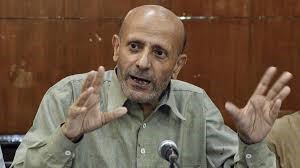
Sheikh Abdul Rashid, the Lok Sabha MP from Baramulla in Jammu and Kashmir, will sit on a two-day hunger strike in Tihar Jail starting October 1. He aims to highlight the significance of Mahatma Gandhi’s principles of non-violence ahead of Gandhi Jayanti.

In a heartfelt letter addressed to ‘Bapu,’ Rashid expressed that the world now faces a desperate need for peace. Currently imprisoned on charges related to terror funding, Rashid emphasized that the essence of Gandhi’s philosophy is more pertinent today than ever before.

“Those who speak most of your message, Bapu, hardly match their words with deeds,” Rashid lamented, pointing out the gap between advocacy for peace and the ongoing violence perpetrated by nations worldwide.

Rashid expressed deep concern over the volatile situation in Kashmir, recalling Gandhi’s role during the Partition. He noted that Gandhi viewed Kashmir as a beacon of hope and harmony during that turbulent period.

“Now, we Kashmiris are branded as anti-national, Pak proxies, and militants,” he asserted, adding that the labels handed out to Kashmiris hinder their quest for legitimate political and human rights.

During his hunger strike, which will conclude on October 3 at 10 am, Rashid aims to emphasize the connection between Gandhi’s vision of humanity and the plight of the Kashmiri people.

“Even those who stand against UAPA have chosen silence due to fear of repercussions. We suffer because of the unresolved issues stemming from Partition,” he conveyed.

Rashid further highlighted the plight of Kashmiri Pandits, stating that they continue to live as refugees despite the historical context where Kashmiri Muslims sheltered them at great personal cost. With Tihar Jail becoming symbolic for many advocating non-violence, he views it as a second home for those pursuing their rights.

His letter criticized the divisive politics gaining traction in India, arguing that Gandhi’s message has been overshadowed by draconian policies that exacerbate communal tensions.

Rashid declared, “Our helplessness is being exploited by fascist forces, and our commitment to non-violence is mistaken as weakness. The government has transformed Jammu and Kashmir into an experimental lab of oppressive strategies.”

He expressed his belief that Gandhi would be restless witnessing the suffering endured by Kashmiris since 1989. Rashid condemned the societal branding of Muslims as outsiders, stating that this rhetoric legitimizes hatred and division.

“The ultranationalists are achieving what external enemies could not,” he claimed, calling for introspection among Indian leaders regarding their approach to Jammu and Kashmir.

To convey his message further, Rashid highlighted that his hunger strike serves as a poignant reminder of Gandhi’s enduring legacy and the urgent need to restore peace in the region.

As the nation prepares to commemorate Gandhi Jayanti, Rashid’s actions remind both the government and the public of the increasing necessity for dialogue and understanding in overcoming divisive narratives.


Related Articles

LEAVE A REPLY

Please enter your comment!
Please enter your name here

- Advertisement -spot_img

Latest Articles

Engineer Rashid to Observe Hunger Strike in Tihar Jail

Sheikh Abdul Rashid, the Lok Sabha MP from Baramulla in Jammu and Kashmir, will sit on a two-day hunger strike in Tihar Jail starting October 1. He aims to highlight the significance of Mahatma Gandhi’s principles of non-violence ahead of Gandhi Jayanti.

In a heartfelt letter addressed to ‘Bapu,’ Rashid expressed that the world now faces a desperate need for peace. Currently imprisoned on charges related to terror funding, Rashid emphasized that the essence of Gandhi’s philosophy is more pertinent today than ever before.

“Those who speak most of your message, Bapu, hardly match their words with deeds,” Rashid lamented, pointing out the gap between advocacy for peace and the ongoing violence perpetrated by nations worldwide.

Rashid expressed deep concern over the volatile situation in Kashmir, recalling Gandhi’s role during the Partition. He noted that Gandhi viewed Kashmir as a beacon of hope and harmony during that turbulent period.

“Now, we Kashmiris are branded as anti-national, Pak proxies, and militants,” he asserted, adding that the labels handed out to Kashmiris hinder their quest for legitimate political and human rights.

During his hunger strike, which will conclude on October 3 at 10 am, Rashid aims to emphasize the connection between Gandhi’s vision of humanity and the plight of the Kashmiri people.

“Even those who stand against UAPA have chosen silence due to fear of repercussions. We suffer because of the unresolved issues stemming from Partition,” he conveyed.

Rashid further highlighted the plight of Kashmiri Pandits, stating that they continue to live as refugees despite the historical context where Kashmiri Muslims sheltered them at great personal cost. With Tihar Jail becoming symbolic for many advocating non-violence, he views it as a second home for those pursuing their rights.

His letter criticized the divisive politics gaining traction in India, arguing that Gandhi’s message has been overshadowed by draconian policies that exacerbate communal tensions.

Rashid declared, “Our helplessness is being exploited by fascist forces, and our commitment to non-violence is mistaken as weakness. The government has transformed Jammu and Kashmir into an experimental lab of oppressive strategies.”

He expressed his belief that Gandhi would be restless witnessing the suffering endured by Kashmiris since 1989. Rashid condemned the societal branding of Muslims as outsiders, stating that this rhetoric legitimizes hatred and division.

“The ultranationalists are achieving what external enemies could not,” he claimed, calling for introspection among Indian leaders regarding their approach to Jammu and Kashmir.

To convey his message further, Rashid highlighted that his hunger strike serves as a poignant reminder of Gandhi’s enduring legacy and the urgent need to restore peace in the region.

As the nation prepares to commemorate Gandhi Jayanti, Rashid’s actions remind both the government and the public of the increasing necessity for dialogue and understanding in overcoming divisive narratives.

Related Articles

LEAVE A REPLY

Please enter your comment!
Please enter your name here

- Advertisement -spot_img

Latest Articles