
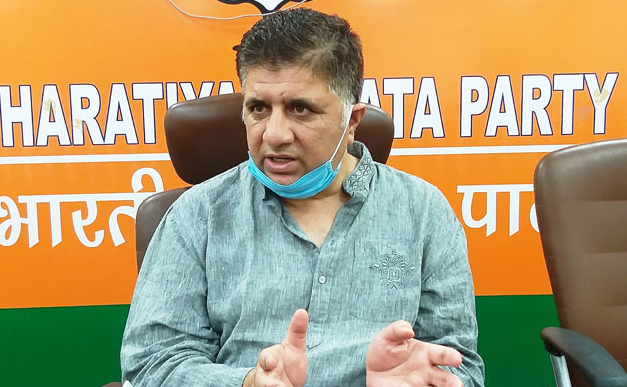
In a pivotal turn of events within the Jammu & Kashmir Cricket Association (JKCA), Sunil Sethi, a dedicated Member–Legal Affairs, announced his resignation from the JKCA Sub-Committee. Sethi raised serious concerns regarding the issuance of “back-dated orders” by the former Ombudsman, which he deems inappropriate and detrimental to the integrity of the association.
Sethi, who joined the Sub-Committee in 2021, addressed his resignation letter to BCCI President Mithun Manhas. His decision arrives following a crucial order from the Supreme Court on 27 October, mandating that JKCA elections be conducted within 12 weeks and overseen by former Chief Election Commissioner Achal Kumar Joti.
In his resignation letter, Sethi elaborated on the context leading to his departure. He expressed his concerns regarding the recent directives issued by the former Ombudsman, particularly stating, “As the Supreme Court has directed holding of elections of JKCA and the effort to appoint a new Ombudsman has not been approved by the Election Officer till the formation of the General Body, unfortunately back-dated orders are being issued by the former Ombudsman now, dating them back to March 2025, when no such order was passed or reported to me.”
Sethi emphasized the potential ramifications of these orders on club management and voting rights. He expressed his apprehension, saying, “These orders are changing the club management and voting rights. This is to change the voting nomenclature, which I do not wish to be party to.”
His resignation marks a significant point in JKCA’s ongoing struggles with governance and transparency. The association has faced ongoing scrutiny regarding its operations, and Sethi’s departure raises further questions about the integrity of its leadership.
In his concluding remarks, Sethi stated, “As such, I tender my resignation from Member Sub-Committee. Please accept and relieve me. I am thankful for the opportunity the Board has bestowed on me.” His resignation highlights a critical juncture for JKCA as it prepares for elections under the supervision of the Supreme Court.