

34.6 C
Jammu
Tuesday, July 28, 2026
spot_img

Omar Abdullah Approves Used Water Management Project in J&K

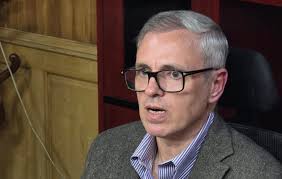
On a pivotal Thursday, Jammu and Kashmir Chief Minister Omar Abdullah approved a key used water management project, which features a crucial sewage treatment plant for Ganderbal town, equipped with a budget of Rs 19.99 crore. This initiative aims to enhance public health, ensure the proper treatment of used water, and maintain the cleanliness of rivers in the region.

The Chief Minister’s Office expressed optimism about the project’s impact, stating, “This will ensure proper treatment of used water, keep our rivers clean and improve public health and sanitation.” This project marks a significant step towards tackling water quality issues, which have long plagued the region.

In addition to the water management initiative, Abdullah also announced the launch of a scheme aimed at integrating heritage courses within the skill development department of Jammu and Kashmir. This scheme aims to revive seven traditional craft courses across 25 units located in government ITIs and polytechnics.

With a targeted intake capacity of 500 students, the initiative will also provide stipends for trainees and honorariums for instructors, thus ensuring that the traditional skills of the region do not fade away. The Chief Minister’s Office emphasized, “A step towards preserving heritage and promoting skill-based livelihoods in J&K.”

The significance of these initiatives extends beyond immediate results. By revitalizing traditional crafts and focusing on wash management, the government is not just addressing present needs but also laying a foundation for a sustainable future.

Experts pointed out that improving sanitation facilities like sewage treatment plants is fundamental in reducing health risks associated with waterborne diseases, which are a pressing concern in many rural and semi-urban areas of Jammu and Kashmir. Such projects directly contribute to better health outcomes and a cleaner environment.

The heritage courses, on the other hand, will foster job creation and encourage entrepreneurship among youth in the region, facilitating a connection with the rich cultural legacy of Jammu and Kashmir. This holistic approach will not only enhance employment opportunities but also empower individuals to become sustainable artisans.

Both projects illustrate the Jammu and Kashmir government’s commitment to addressing critical environmental and cultural challenges, signifying a major shift towards a more resilient and sustainable approach in the region. As the implementation phase begins, stakeholders will keenly observe the outcomes of these government initiatives.

In conclusion, Omar Abdullah’s recent approvals herald a new era for public health and cultural preservation in Jammu and Kashmir, demonstrating the importance of proactive governance in environmental and educational sectors.


Related Articles

LEAVE A REPLY

Please enter your comment!
Please enter your name here

- Advertisement -spot_img

Latest Articles

Omar Abdullah Approves Used Water Management Project in J&K

On a pivotal Thursday, Jammu and Kashmir Chief Minister Omar Abdullah approved a key used water management project, which features a crucial sewage treatment plant for Ganderbal town, equipped with a budget of Rs 19.99 crore. This initiative aims to enhance public health, ensure the proper treatment of used water, and maintain the cleanliness of rivers in the region.

The Chief Minister’s Office expressed optimism about the project’s impact, stating, “This will ensure proper treatment of used water, keep our rivers clean and improve public health and sanitation.” This project marks a significant step towards tackling water quality issues, which have long plagued the region.

In addition to the water management initiative, Abdullah also announced the launch of a scheme aimed at integrating heritage courses within the skill development department of Jammu and Kashmir. This scheme aims to revive seven traditional craft courses across 25 units located in government ITIs and polytechnics.

With a targeted intake capacity of 500 students, the initiative will also provide stipends for trainees and honorariums for instructors, thus ensuring that the traditional skills of the region do not fade away. The Chief Minister’s Office emphasized, “A step towards preserving heritage and promoting skill-based livelihoods in J&K.”

The significance of these initiatives extends beyond immediate results. By revitalizing traditional crafts and focusing on wash management, the government is not just addressing present needs but also laying a foundation for a sustainable future.

Experts pointed out that improving sanitation facilities like sewage treatment plants is fundamental in reducing health risks associated with waterborne diseases, which are a pressing concern in many rural and semi-urban areas of Jammu and Kashmir. Such projects directly contribute to better health outcomes and a cleaner environment.

The heritage courses, on the other hand, will foster job creation and encourage entrepreneurship among youth in the region, facilitating a connection with the rich cultural legacy of Jammu and Kashmir. This holistic approach will not only enhance employment opportunities but also empower individuals to become sustainable artisans.

Both projects illustrate the Jammu and Kashmir government’s commitment to addressing critical environmental and cultural challenges, signifying a major shift towards a more resilient and sustainable approach in the region. As the implementation phase begins, stakeholders will keenly observe the outcomes of these government initiatives.

In conclusion, Omar Abdullah’s recent approvals herald a new era for public health and cultural preservation in Jammu and Kashmir, demonstrating the importance of proactive governance in environmental and educational sectors.

Related Articles

LEAVE A REPLY

Please enter your comment!
Please enter your name here

- Advertisement -spot_img

Latest Articles