

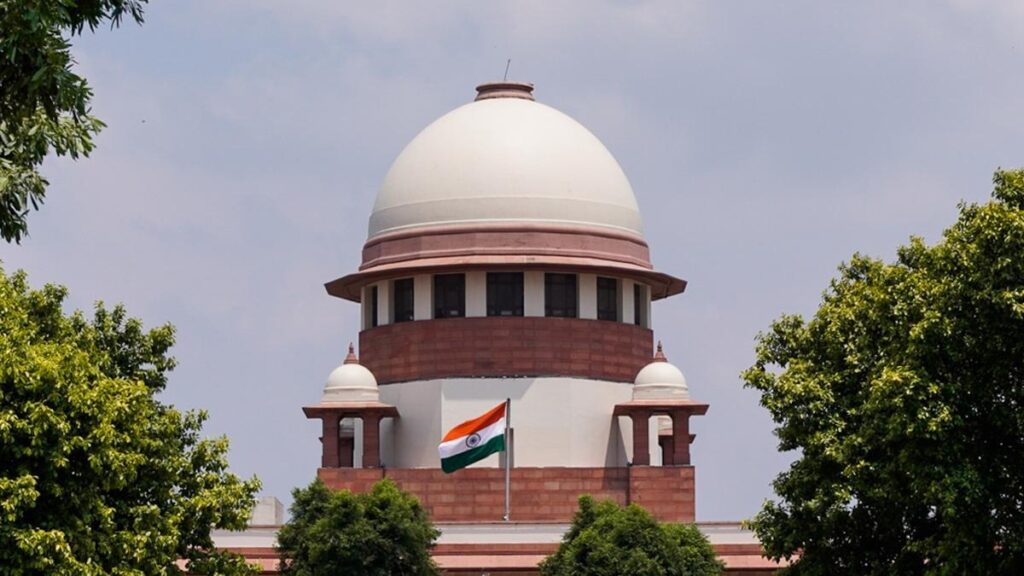
The Supreme Court of India announced on Tuesday its decision to set up a high-powered committee to investigate allegations of police excesses during the NEET protest in Delhi. The committee will include retired judges, a former Director General of Police, a former CBI director, and other experts to thoroughly assess the situation.
The formation of this committee comes in response to the protests held on July 20, which turned violent as demonstrators clashed with police while marching towards Parliament. The bench, which included Chief Justice Surya Kant and Justices Joymalya Bagchi and V Mohana, stated that the order for the committee’s establishment would be finalized on Wednesday after incorporating suggestions from various parties regarding additional members.
The Supreme Court aims to obtain video footage and CCTV recordings related to the incidents of violence that occurred during the protest. This material will be crucial for the committee as it investigates the actions taken by law enforcement against the student protesters.
Moreover, the committee will specifically examine the complaints made by female protesters who were reportedly subjected to targeted actions by police during the protest march in Delhi. The bench emphasized the need to ensure an impartial investigation into all allegations raised.
Solicitor General Tushar Mehta has been instructed to provide details regarding the First Information Reports (FIRs) filed against the student protesters. The court hinted at the possibility of using its plenary powers under Article 142 of the Constitution to quash these FIRs, asserting that the future of students hangs in the balance.
“It is the life of students, which is at stake. We have to consider this. They have a future ahead. They have the right to protest under Article 19,” the bench remarked, stressing the importance of protecting students’ rights amid calls for accountability from law enforcement agencies.
Mehta informed the court that police have identified over 2,800 individuals with criminal antecedents who allegedly incited violence during the protest. This statement raised concerns over how such categorizations may impact the ongoing investigations.
On earlier occasions, specifically on August 3, the Supreme Court clarified that references to “criminal antecedents” pertain explicitly to severe criminal offenses. It stated that states possess the authority to close or withdraw FIRs against students who were part of the protests, as long as they do not have any serious legal issues.
The Centre has demonstrated its intent of being “serious” about not pursuing FIRs against peaceful participants, pending verification of their criminal records.
The top court had already established that police excesses, including instances of ‘lathi charge,’ cannot be justified solely by the presence of agitation. The judiciary reaffirmed that the right to peaceful protest is “absolutely guaranteed” under the Constitution.
The protests led by the Cockroach Janta Party on July 20 saw significant clashes between protesters and security forces, who used lathis and teargas shells in an attempt to disperse those pushing towards Parliament. This incident has now prompted the Supreme Court’s vigilant oversight of the situation.